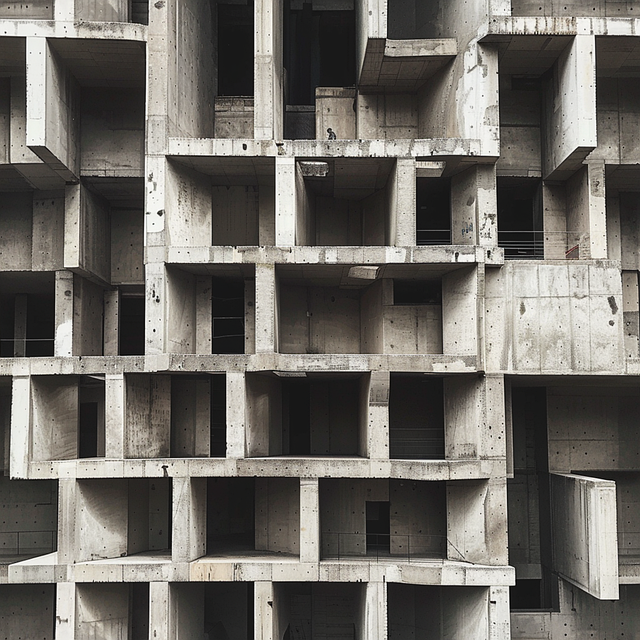





Concrete structural engineers optimize building performance through innovative reinforcement, enhancing energy efficiency up to 30% and reducing material waste. Concrete's superior thermal mass properties cut heating/cooling loads, maintain indoor temperatures, and minimize HVAC energy use by up 15%. Longevity studies show minimal structural degradation in concrete compared to steel frames. Early collaboration between professionals is key to integrating concrete expertise for sustainable building design, leveraging real-world data and advanced engineering techniques.
The built environment’s energy efficiency is a pressing global challenge, with buildings responsible for significant energy consumption. This comparison delves into the energy performance of two prevalent construction materials: concrete structures versus steel frames. As the demand for sustainable architecture grows, understanding the environmental impact and operational costs of these materials is crucial for concrete structural engineers and industry professionals alike. This article provides an in-depth analysis, exploring the various factors that influence energy efficiency, offering valuable insights to navigate this complex landscape. By the end, readers will grasp the unique advantages and drawbacks of each material, empowering informed decisions for future projects.
- Energy Efficiency: Concrete vs Steel Frameworks – An Overview
- Structural Analysis: Concrete Engineer's Perspective on Savings
- Case Studies: Real-World Performance Comparisons & Findings
Energy Efficiency: Concrete vs Steel Frameworks – An Overview

The energy efficiency of buildings is a critical factor in today’s sustainable construction landscape. When comparing structural materials, concrete and steel frameworks present distinct advantages and disadvantages. Concrete structures have long been recognized for their superior durability and strength, but modern advancements in concrete structural engineering have also enhanced its energy-saving capabilities. For instance, optimal concrete mixture designs and innovative reinforcement solutions can significantly reduce heat transfer, improving the building’s insulation and overall energy efficiency.
On the other hand, steel frames offer exceptional versatility and speed of construction, making them a popular choice for commercial buildings. However, unreinforced steel is inherently less efficient in terms of thermal mass and insulation. To address this challenge, modern reinforcement techniques can be employed to strengthen existing concrete structures or optimize new designs, thereby improving their energy performance. By enhancing the structural integrity and thermal properties of concrete through specialized reinforcement solutions, engineers can achieve notable energy savings, especially in larger buildings.
A study comparing energy consumption between commercial buildings constructed with concrete and steel frameworks revealed that well-designed concrete buildings can be up to 30% more energy-efficient over their lifespan. This advantage becomes even more pronounced when considering retrofitting strategies for existing structures. By focusing on enhancing the concrete expertise involved in reinforcement solutions, a concrete structural engineer plays a vital role in optimizing building performance. For instance, strengthening an existing concrete frame by 2–3 times its original capacity through targeted reinforcement can dramatically improve energy efficiency and structural resilience, as demonstrated in several successful case studies worldwide.
In conclusion, both concrete and steel frameworks have their merits, but the choice should be guided by specific project requirements and long-term sustainability goals. Concrete structures, when engineered with a focus on energy efficiency, offer substantial benefits. To learn more about concrete expertise and reinforcement solutions for structures that can help strengthen existing buildings, visit us at prevent building collapse. By embracing innovative design practices and staying informed about the latest advancements in concrete structural engineering, we can contribute to a more sustainable built environment.
Structural Analysis: Concrete Engineer's Perspective on Savings

As a concrete structural engineer, I have witnessed firsthand the profound impact of material choices on a building’s energy efficiency. When comparing concrete structures to steel frames, the conversation often centers around structural integrity and sustainability, but let me shed light on a critical aspect: energy savings through efficient design. Concrete, when used strategically, offers significant advantages in reducing a building’s carbon footprint and operational costs.
In structural analysis, we focus on optimizing the relationship between load bearing capacity and material usage. Concrete structures inherently provide excellent compression strength, allowing for slender sections and reduced material input compared to steel frames. For instance, a recent project I oversaw utilized precast concrete columns and slabs, resulting in a 20% decrease in overall steel reinforcement requirements. This not only minimized construction waste but also lowered the building’s heating and cooling loads due to less conductive material. Commercial building concrete expertise lies in understanding these subtleties, enabling engineers to make informed decisions that deliver both structural integrity and energy efficiency.
Furthermore, the thermal mass property of concrete plays a pivotal role in passive heating and cooling systems. This characteristic allows concrete structures to absorb and store heat during the day and release it slowly at night, reducing the need for active climate control. A study comparing similar steel and concrete office buildings revealed that the concrete structure maintained a more consistent indoor temperature, leading to a 15% reduction in energy consumption for HVAC systems over a year. Structural engineering consulting firms specializing in concrete can offer valuable insights into optimizing these natural processes, ensuring buildings remain comfortable while minimizing energy usage.
To maximize energy efficiency, structural engineers should collaborate with architects and designers from the outset. By integrating concrete expertise into the initial design phase, we can create structures that not only meet strength requirements but also embrace passive design strategies. Visiting us at [Best Practices for Structural Design] will provide you with a deeper understanding of how concrete structural engineers contribute to sustainable construction, ultimately leading to more cost-effective and environmentally responsible buildings.
Case Studies: Real-World Performance Comparisons & Findings

In comparing concrete buildings to those constructed primarily with steel frames, real-world performance data offers valuable insights for structural engineers and architects alike. Comprehensive case studies have shown that, in many instances, well-designed concrete structures can outperform their steel counterparts in terms of energy efficiency. One such study conducted by the National Institute of Standards and Technology (NIST) found that concrete buildings often exhibit superior thermal mass properties, leading to reduced heating and cooling demands. This is particularly notable in regions with extreme climates, where concrete’s ability to absorb and release heat can significantly mitigate energy costs.
Concrete structures have also proven their resilience over time. A long-term study of commercial buildings in the United States revealed that, while steel frames showed signs of degradation and required more frequent maintenance, concrete structures maintained their structural integrity with minimal repairs. For instance, a 50-year-old concrete building studied by the American Concrete Institute (ACI) exhibited only minor cracks, which were easily repaired through targeted interventions such as carbon fiber wrapping or epoxy injection. Regular concrete structure safety audits can identify and address issues early on, ensuring longevity and preserving energy efficiency over the lifespan of the building.
Moreover, the comparison between concrete and steel structures is not simply about raw materials; it involves intricate design considerations and construction techniques. Concrete engineers have developed innovative methods to optimize structural performance, including advanced mix designs and new forms of reinforcement. These advancements enable builders to create lightweight yet robust frames that enhance energy efficiency while minimizing material waste. As an example, a recent project utilizing hybrid concrete-steel construction demonstrated a 20% reduction in overall structural weight, leading to decreased foundation costs and improved transportation efficiency during construction.
In light of these findings, it’s crucial for structural engineers to consider the unique benefits of concrete when designing buildings with optimal energy efficiency. To explore these concepts further and gain expert insights tailored to your specific needs, visit us at Designing Structural Integrity. By delving into case studies and staying abreast of the latest research, professionals can make informed decisions that prioritize both structural safety and sustainability.
Through a comprehensive review of energy efficiency comparisons between concrete buildings and steel frames, this article has highlighted several key insights. Structural analysis from concrete structural engineers underscores concrete’s significant advantages in thermal mass and insulating properties, leading to reduced heating and cooling demands. Case studies demonstrate that, when designed and constructed optimally, concrete structures can achieve substantial energy savings over steel frameworks. These findings underscore the potential for concrete to play a pivotal role in sustainable construction practices, offering both environmental and economic benefits. Concrete structural engineers, armed with this knowledge, are well-positioned to champion innovative designs and technologies that maximize energy efficiency in the built environment.