



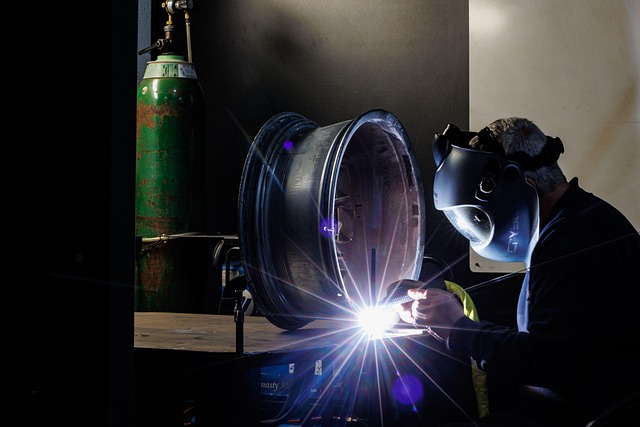

Concrete structural engineers rely on advanced testing equipment, like concrete compression machines and specialized load cells, to accurately assess concrete strength and durability. Modern methods, including non-destructive tests like ultrasound and radar, enable early crack detection and informed maintenance decisions for structures' longevity. These innovations set new industry standards, ensuring safety, efficiency, and compliance with reinforced concrete design requirements.
In the realm of construction and infrastructure, concrete plays a pivotal role, making it imperative for concrete structural engineers to possess accurate testing equipment. The reliable assessment of concrete strength, durability, and quality is non-negotiable for safe and robust structures. However, keeping up with evolving industry standards can be challenging, necessitating advanced testing equipment in labs. This article delves into the significance of investing in cutting-edge concrete testing apparatus, offering a comprehensive guide to aid engineers in making informed decisions to enhance their work’s integrity and precision.
- Evaluating Concrete Strength: Essential Tests for Structural Integrity
- Choosing Testing Equipment: Features for Accurate Concrete Analysis
- Implementation and Maintenance: Best Practices for Concrete Structural Engineers
Evaluating Concrete Strength: Essential Tests for Structural Integrity

Evaluating concrete strength is a critical aspect of ensuring structural integrity in construction projects. Concrete structural engineers must employ precise testing methods to determine the compressive strength of concrete, which is paramount for preventing building collapse and enhancing building foundation stability. Modern approaches to concrete engineering offer advanced testing equipment that provides more accurate and efficient data compared to traditional methods. These tests are not just tools for compliance but also serve as a cornerstone for designing robust and safe structures.
One of the primary tests for concrete strength involves using concrete compression machines. These devices apply controlled pressure to a concrete sample until it fails, providing insights into its compressive strength. Modern machines offer enhanced accuracy with sophisticated load cells and precise control systems, allowing engineers to simulate real-world conditions more effectively. For instance, testing at 28 days, as per industry standards, ensures that the concrete has reached its optimal strength for structural applications. This data is invaluable for structural engineers when designing buildings, bridges, or infrastructure where load-bearing capacity is paramount.
Additionally, split-pull tests are used to assess bond strength between concrete and reinforcing bars (rebar). This test is crucial for validating the integrity of reinforced concrete structures, as it measures the force required to pull apart a split sample of concrete with rebar embedded in it. By understanding this bond strength, concrete structural engineers can optimize reinforcement designs, ensuring enhanced building foundation stability. For example, data from such tests can help identify potential weaknesses or variations in concrete batches, allowing for prompt corrective actions.
To leverage the most advanced tools and techniques for concrete testing, concrete structural engineers should consider visiting us at [NAP/brand]. We offer cutting-edge solutions that not only enhance building foundation stability but also streamline engineering processes. Embracing modern approaches to concrete engineering ensures that structures are designed and built with unparalleled strength and safety in mind, setting new standards for the industry.
Choosing Testing Equipment: Features for Accurate Concrete Analysis

Choosing the right concrete testing equipment is paramount for labs aiming to deliver precise and reliable results, especially when it comes to complex structural analysis. Concrete structural engineers must select instruments that cater to their specific needs, ensuring accurate assessments of material properties. Key features include advanced technology for stress and strain measurement, capabilities for conducting non-destructive tests (NDT), and data logging functions to capture detailed information. For instance, digital concrete testers equipped with piezoresistive sensors can provide real-time, high-resolution measurements, enabling engineers to evaluate the integrity of both standard and reinforced concrete structures effectively.
When considering purchases, cost-effective concrete solutions should be a central concern. Many modern testing equipment manufacturers offer specialized tools tailored for reinforced concrete analysis, which can significantly enhance structural design processes. These devices often come with advanced features such as automated test routines, integrated software for data analysis, and the ability to perform multiple tests simultaneously. Such advantages streamline workflows, reduce human error, and ultimately contribute to more efficient and economical construction projects. For instance, a specialized reinforced concrete tester could provide comprehensive strength measurements, ensuring that materials meet design specifications and promoting safety.
Moreover, understanding the advantages of reinforced concrete is essential in making informed equipment choices. This type of concrete, incorporating steel reinforcement bars, offers enhanced tensile strength and durability, making it ideal for demanding structural applications. Specialized testing equipment designed for reinforced concrete can non-destructively assess these critical properties, allowing engineers to verify the integrity of the final product. By visiting us at best practices for structural design, professionals can stay abreast of industry innovations and make strategic decisions regarding their testing apparatus investments. This proactive approach ensures that labs are equipped with state-of-the-art technology, ultimately contributing to higher quality construction projects.
Implementation and Maintenance: Best Practices for Concrete Structural Engineers

Implementing and maintaining advanced concrete testing equipment is a critical aspect of ensuring the safety and integrity of concrete structures for any structural engineer. This investment offers a robust framework to assess concrete damage risks and make informed decisions about repairs or replacements, thereby enhancing overall structure safety. Regular use of these tools allows engineers to detect even minute cracks or anomalies that could indicate potential failures, enabling prompt action before these issues escalate.
For instance, modern non-destructive testing (NDT) methods like ultrasound and ground penetration radar can identify internal concrete damage without causing structural disruption. Cost-effective concrete solutions don’t have to compromise on quality; advanced equipment can streamline the inspection process, reducing labor costs while improving accuracy. By integrating these practices, engineers can optimize their assessments, ensuring that repairs target specific issues rather than unnecessary replacement of sound concrete. Regular maintenance using such equipment can extend the lifespan of concrete structures significantly.
Moreover, periodic concrete structure safety audits facilitated by these tools are essential for high-risk or critical infrastructure. Bridges, skyscrapers, and industrial facilities require meticulous care to mitigate potential hazards. By assessing concrete damage risks multiple times a year, engineers can predict structural failures before they occur, preventing catastrophic events. In the event of identified damage, immediate action, such as reinforcing weakened areas or replacing deteriorated concrete, becomes more manageable with accurate data from these tests.
When facing concrete structure failures, don’t hesitate to give us a call at fix concrete structure failures. Our expertise can guide you through these challenges, ensuring your safety and the longevity of your structures.
By evaluating concrete strength through essential tests and selecting advanced testing equipment with accurate features, concrete structural engineers can ensure the structural integrity of their projects. Implementation best practices and regular maintenance are paramount to upholding quality standards. This article has provided invaluable insights into these critical aspects, empowering structural engineers to make informed decisions, enhance test accuracy, and ultimately, deliver safe and durable concrete structures.


