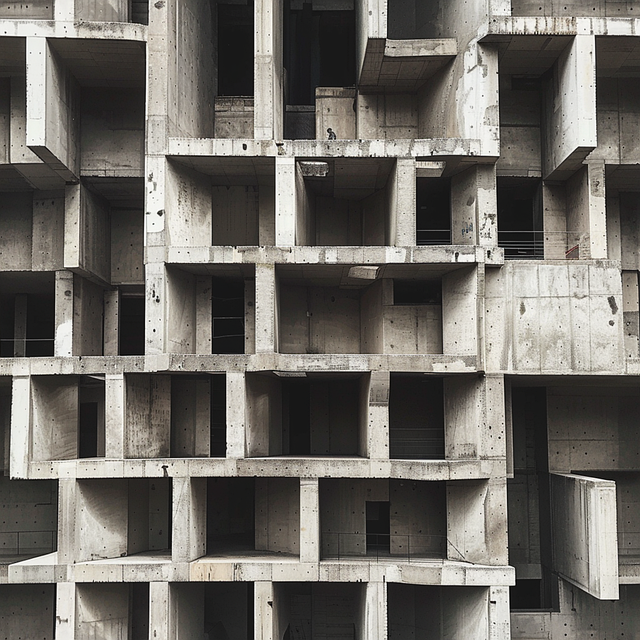


Concrete structural engineers are indispensable for designing robust industrial facilities while adhering to modern standards. They employ advanced techniques like sustainable concrete methods for environmental benefits and improved strength. Through comprehensive structural analysis, they ensure building stability by predicting and optimizing load distribution. Staying current with industry trends allows them to integrate cutting-edge technologies.
When hiring, leverage online networks like LinkedIn, seek specialists in concrete construction and repair, prioritize professionals aware of industry standards, and verify qualifications through credentials and experience. Referrals from satisfied clients and successful projects are key indicators of expertise. Engaging established firms ensures robust structures and adherence to modern sustainable building practices.
In the realm of industrial construction, the structural integrity of facilities is paramount, ensuring safety and longevity. Designing concrete structures for these environments presents unique challenges due to extreme loads, aggressive environments, and stringent regulations. Thus, it’s crucial to engage expert concrete structural engineers who possess specialized knowledge and hands-on experience tailored to this demanding sector. This article delves into the process of identifying and collaborating with such specialists, offering valuable insights for project managers and owners aiming to navigate the complex landscape of industrial concrete construction.
- Identify Specialized Skills: Concrete Structural Engineer Expertise
- Search Industrial Networks: Connect with Relevant Professionals
- Verify Qualifications: Ensuring Expert Competence in Design
- Consult Referrals: Building Trust through Experience and Reputation
Identify Specialized Skills: Concrete Structural Engineer Expertise
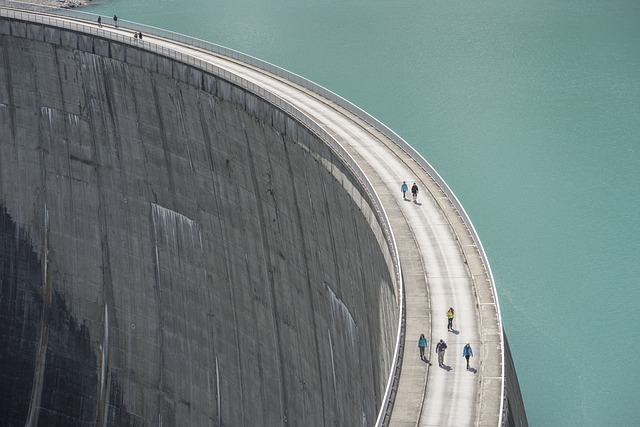
When designing concrete structures for industrial facilities, identifying experts with specialized skills is paramount. Concrete structural engineers play a pivotal role in ensuring these buildings are not only robust but also adhere to modern standards and environmental considerations. Their expertise extends beyond basic construction; they must possess a deep understanding of advanced techniques like sustainable concrete methods, which offer both ecological benefits and improved structural integrity. For instance, incorporating recycled materials into reinforced concrete can reduce environmental impact while enhancing the material’s strength and durability.
A key aspect of their work involves comprehensive structural analysis, ranging from initial concept design to final construction. They employ sophisticated tools and models to predict and optimize load distribution, ensuring buildings withstand stresses associated with industrial operations. This includes analyzing wind loads, seismic activities, and heavy equipment placement, as these factors can significantly impact the overall stability and longevity of concrete structures. By leveraging advancements in structural analysis software, engineers can identify potential issues early in the design phase, facilitating cost-effective solutions.
Moreover, concrete structural engineers stay abreast of industry trends and innovations, such as new reinforcement techniques or improved concrete mixes. Staying current enables them to integrate the latest technologies into projects, ensuring industrial facilities are not only structurally sound but also benefit from the advantages of reinforced concrete, including enhanced safety, flexibility in design, and superior resistance to corrosion and environmental degradation. For tailored guidance on sustainable concrete techniques or complex structural analysis, consider reaching out to industry leaders who can provide expert insights and support throughout your project lifecycle.
Search Industrial Networks: Connect with Relevant Professionals

When seeking experts in concrete structure design for industrial facilities, one of the most effective strategies is to leverage online professional networks. These platforms connect individuals with specific expertise—like concrete structural engineers—who can offer invaluable insights and solutions. Websites like LinkedIn serve as digital hubs where you can search for professionals with a proven track record in designing robust and safe concrete structures.
Focus on individuals who not only specialize in concrete but also have experience fixing concrete structure failures and repairing cracked concrete beams, issues commonly encountered in industrial settings. Their knowledge of when to use concrete in construction, whether for foundations, column support, or flooring, is crucial. Look for engineers who discuss these topics openly, providing practical insights through blog posts, case studies, or project showcases.
For instance, consider a structural engineer with extensive experience in rehabilitating aging industrial facilities. They might highlight successful projects involving the reinforcement of concrete beams and columns to extend the life of these structures. Such expertise can be invaluable when navigating complex industrial sites. Remember that the best professionals are often those who not only understand the technical aspects but also have a keen awareness of industry standards and safety regulations, like those enforced by local building codes.
If you’re seeking an expert for your next industrial project, consider reaching out to established concrete structural engineers directly. Their contributions could be instrumental in ensuring the longevity and integrity of your facility’s infrastructure. Give us a call at Innovative Design for Strength to connect with professionals who can transform your vision into reality—and who understand the nuances of working with concrete in demanding industrial environments.
Verify Qualifications: Ensuring Expert Competence in Design
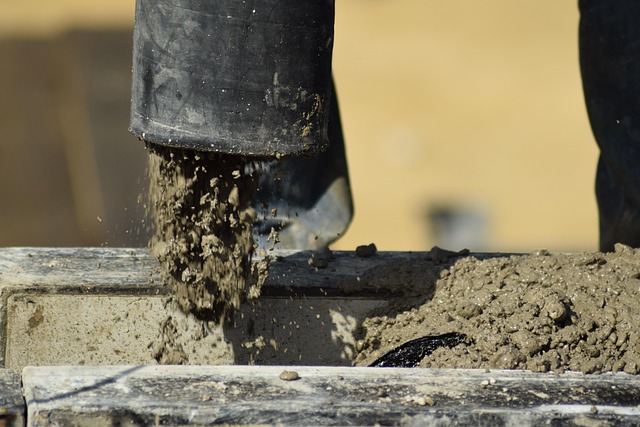
When seeking experts on concrete structure design for industrial facilities, verifying the qualifications of potential candidates is paramount to ensuring expert competence in design. Concrete structural engineers play a crucial role in creating robust and safe structures that withstand the rigors of industrial environments. Their expertise extends beyond theoretical knowledge; it encompasses practical experience in structural repairs, which are vital to prevent building collapse and ensure long-term facility integrity.
A key indicator of a concrete engineer’s competence is their professional credentials and certifications. Look for engineers who possess recognized qualifications such as those from accredited institutions or regulatory bodies. For industrial projects, specific focus on concrete engineers with proven expertise in designing for strength and durability is essential. This includes experience in high-stress environments, load calculations, and implementing innovative design solutions like advanced reinforcement techniques.
Consider also their track record in handling similar projects, especially in the context of residential or commercial structures that have undergone transformations to accommodate industrial use. Case studies demonstrating successful structural modifications, retrofits, or upgrades can provide valuable insights into their problem-solving abilities and capacity to adapt to unique challenges. Moreover, a concrete engineer’s proficiency in structural repairs should not be overlooked; it’s a testament to their ability to maintain and enhance existing structures, ensuring safety and longevity.
To find the right expert, leverage professional networks, industry associations, or online platforms that specialize in connecting clients with qualified engineers. Always conduct thorough background checks, review their portfolio, and solicit references. Remember, selecting a concrete structural engineer is an investment; it’s crucial to choose someone who not only possesses the technical expertise but also aligns with your project goals and values, ensuring a successful partnership from design through construction and beyond. For reliable and innovative concrete structure design solutions, find us at Innovative Design for Strength.
Consult Referrals: Building Trust through Experience and Reputation

When seeking experts on concrete structure design for industrial facilities, one of the most reliable methods is to seek referrals. Experience and reputation are critical indicators of a concrete structural engineer’s proficiency, especially when it comes to intricate industrial projects. Reputable engineers have built their profiles through years of successful designs, enhancing building foundation stability in diverse industries. Their work speaks volumes about their ability to navigate complex structural challenges.
Referrals from satisfied clients, particularly those within the industrial sector, offer a glimpse into an engineer’s capabilities. For instance, a concrete structural engineer with a proven track record in restoring historical concrete structures demonstrates versatility and a deep understanding of both traditional and modern construction methods. This experience is invaluable when designing for industrial facilities, which often involve unique requirements and stringent safety standards.
Moreover, experts in this field are increasingly incorporating sustainable concrete techniques into their designs, aligning with global efforts to enhance environmental sustainability. These techniques not only reduce the carbon footprint of construction but also contribute to the longevity of industrial buildings. By engaging such engineers, facility managers can ensure not only robust structures but also those that stand the test of time while embracing eco-friendly practices.
If you’re in need of concrete structure design expertise for your industrial facility, consider reaching out to established firms with a history of successful projects. Give us a call at concrete engineer expertise to explore how their specialized knowledge and trusted referrals can positively impact your project, ensuring not only structural integrity but also adherence to modern sustainable building practices.
In conclusion, identifying the right concrete structural engineer for industrial facility design is paramount to ensuring safety, functionality, and longevity of your project. The key insights from this article highlight the importance of specialized skills, demonstrated through a robust track record and relevant qualifications. Connecting with professionals within industrial networks and verifying their expertise are essential steps in building trust and confidence. Leveraging referrals from satisfied clients further underscores the engineer’s competence and commitment to excellence. By following these practical next steps, you can ensure your industrial facility is built on a solid foundation, both metaphorically and literally, through the expert guidance of a qualified concrete structural engineer.